
Two hours of roulette on a £200 budget taught me more about discipline than any strategy guide ever did.
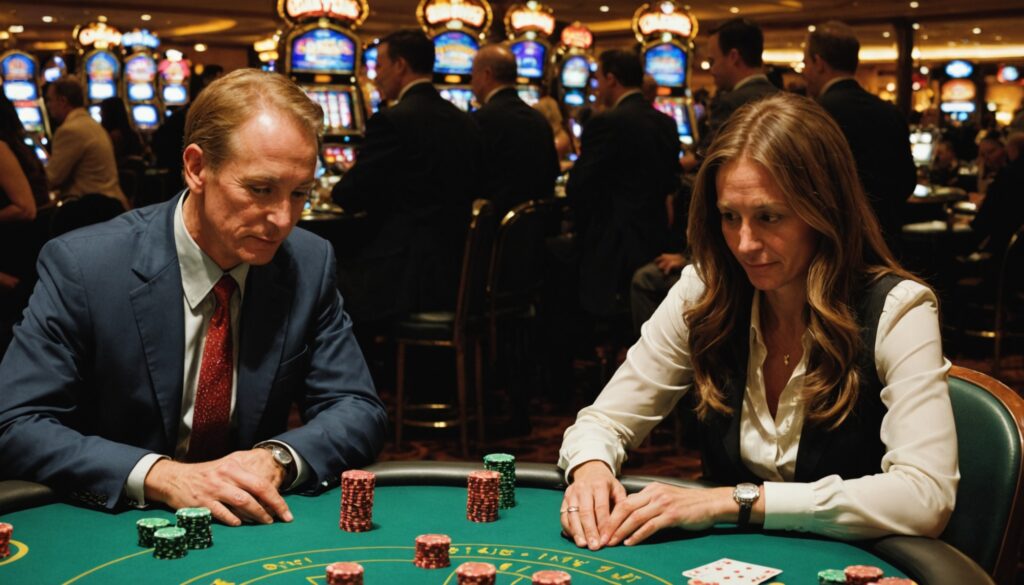
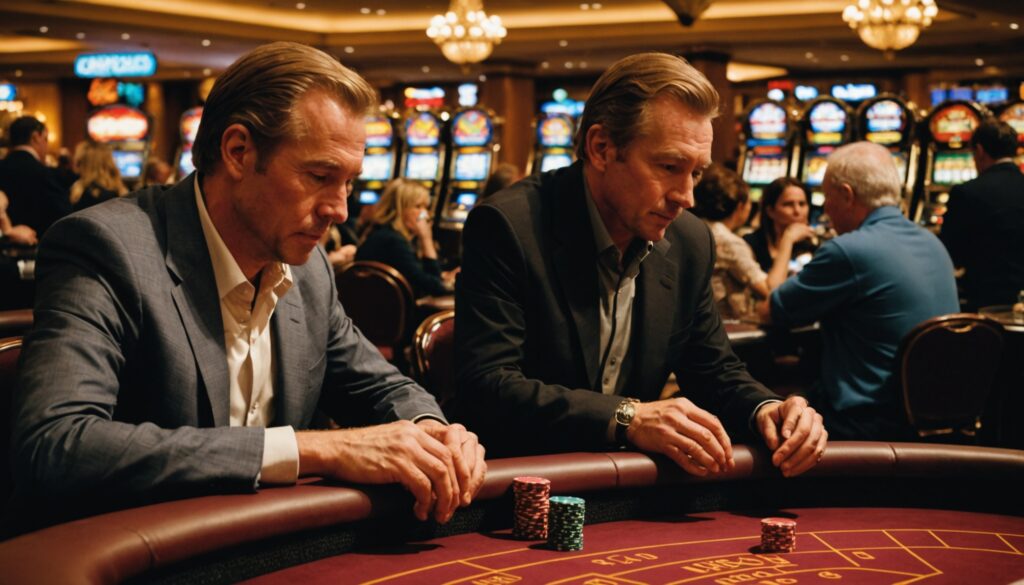
Right, so I’ve been meaning to write this one up for a while. Last Saturday I sat down at the roulette table at my local casino with £200 in my pocket, a rough plan in my head, and absolutely zero guarantee it was going to go well. Spoiler: it didn’t go perfectly. But it didn’t go terribly either. And the whole thing was interesting enough that I thought it was worth doing a proper roulette session recap — bet by bet, streak by streak, honest from start to finish.
No fluff. Just what actually happened.
The Setup: What I Was Working With
Before I even sat down, I had a few ground rules for myself. I’ve learned the hard way that walking in with no plan means walking out with nothing. So here’s what I decided going in:
- Total roulette budget: £200 — once it’s gone, it’s gone. No trips to the cashpoint.
- Session target: I wasn’t chasing a specific number. I just wanted to play for roughly two hours without torching everything in the first twenty minutes.
- Base bet: £5 — low enough to survive a rough patch, high enough to actually feel something when it lands.
- Table: European single-zero roulette. Always. The American double-zero wheel is a tax on impatience and I refuse to play it.
I bought in for the full £200 and got £5 chips. Stack in front of me looked decent. Felt optimistic. That feeling never lasts, does it.
The First 30 Minutes: Slow Bleed
The first half hour was genuinely boring, which is actually fine. Boring in roulette means you’re not losing fast. I was sticking to outside bets — red/black, odd/even — just getting a feel for the table and not doing anything stupid.
The problem? Black came up seven times in a row at one point. Seven. I wasn’t chasing it with a Martingale or anything daft like that, but I was consistently on red for that stretch and it absolutely stung. Lost around £40 in that first thirty minutes just from that one nasty streak.
Here’s the thing people don’t tell you about outside bets — they feel safe because the odds are close to 50/50, but when variance hits, it hits in clusters. Seven consecutive blacks isn’t some freak statistical event. It happens more than people think. I’ve seen worse.
After 30 minutes: £160 remaining.
The Middle Stretch: Where It Got Interesting
This is the part of the roulette session where I started mixing things up a bit. I shifted from pure outside bets to a split between outside bets and some column bets. Column bets pay 2:1 and cover a third of the numbers — they’re a decent middle ground between boring even-money bets and the high-risk single number stuff.
I was doing £5 on red and £5 on the middle column. Yeah, there’s some overlap, so it’s not a genius hedge, but it gave me a bit more coverage without going mental.
Then something brilliant happened. Hit the middle column three times in ten spins. Nothing dramatic, no single number jackpot, but consistent 2:1 returns started rebuilding the stack. I went from £160 up to about £195 at one point. Nearly back to even. That felt genuinely good.
Then I did something stupid.
I put £20 on a single number. Number 17. Why 17? Honestly couldn’t tell you. It just felt due. That’s the kind of thinking that ruins people, and I know that, and I did it anyway. Missed obviously. £20 gone in one spin.
After 75 minutes: £170 remaining.
The Near-Misses That Messed With My Head
This deserves its own section because near-misses in roulette do something weird to your brain. They’re not actually near-misses in any meaningful sense — the ball landing on 18 when you’re on 17 is just as much a loss as landing on 32. The number doesn’t remember where it landed last spin. The wheel doesn’t care.
But try telling your brain that when 17 comes up two spins after you stopped betting on it.
I had three moments like this in the second half of the session:
- Bet red, landed on the green zero. Classic. Neither win nor loss on even-money bets at this table had the “en prison” rule, so that was just a straight loss.
- I was on odd numbers, switched to even for one spin on a hunch, and odd came up. Switched back, even came up. This went on for four spins and was genuinely maddening.
- Had a £10 bet on the third column, watched the ball rattle around the wheel, settle on a third column number — then bounce out into the first column. I’m convinced that one was personal.
None of these are actually near-misses. I know that logically. But they absolutely affected how I was feeling at the table, and if I’m honest, they pushed me toward making a couple of slightly bigger bets than I should have done. That’s the casino working exactly as intended.
The Final 30 Minutes: Trying to Finish Clean
Going into the last half hour I had about £155. Down £45 from my starting roulette budget, which considering the session I’d had, wasn’t a disaster. My goal shifted from “try to win” to “don’t lose more than £50 total.” Protective mode.
I dropped back to £5 flat bets on outside bets only. No more columns, no more single numbers, no more “I’ve got a feeling about 17” nonsense. Just grinding even-money bets and hoping variance broke my way a bit.
It kind of did. I hit a run of about eight spins where I went 5-3. Nothing spectacular but it felt like the table had settled. Ended up clawing back about £20 over that stretch before the session hit two hours and I made myself stand up.
Forcing yourself to walk away at a predetermined time is genuinely underrated as a roulette strategy. Not because it changes the maths, but because it stops you making decisions with a tired brain and a frustrated ego.
The Final Numbers
Let’s keep this simple:
- Started with: £200
- Finished with: £173
- Total loss: £27
- Session length: Just over 2 hours
- Approximate number of spins: 85–90
Down £27 on a two-hour session of roulette. Honestly? I’ll take that. That’s about the cost of a decent dinner out, and I got two hours of entertainment for it. The expected loss on European roulette over that many spins at those stakes is somewhere around £25–£30 anyway (the house edge is 2.7%), so I basically ran close to expectation. No fairy tale, no horror story. Just maths doing what maths does.
What I Actually Learned From This Session
Every roulette session recap should probably end with something useful, so here’s what I walked away thinking:
- The budget thing genuinely works. Having a hard stop at £200 meant I never hit that desperate “just one more buy-in” moment. That moment is where real damage gets done.
- Single number bets are entertainment, not strategy. That £20 on 17 was just a donation to the casino. If you’re going to do it, treat it as a fun punt and keep it small.
- Near-misses are a psychological trap. The table doesn’t owe you anything. Walking away from a near-miss the same as you’d walk away from any other loss is a skill worth developing.
- Time limits beat win targets. I’ve played sessions where I hit a win target early, kept going, and gave it all back. Knowing I was leaving at the two-hour mark removed that temptation entirely.
- European roulette only. I don’t care how nice the American table looks. That second zero is a deal-breaker every single time.
Honest Conclusion
Look, I’m not going to sit here and tell you I cracked some roulette code. I lost £27. The casino won, like it almost always does over enough time. But I played for two hours, had a genuinely good time, didn’t do anything catastrophically stupid (except that one £20 single number bet, which I’ve already admitted to), and walked out without that hollow feeling you get when you’ve blown more than you planned.
That’s what a good recreational gambling session looks like to me. Not a big win. Not a disaster. Just an honest couple of hours at the table where the budget held and my brain mostly stayed in charge.
If you’re planning a similar roulette session with a set roulette budget, the main thing I’d say is: decide your number before you walk in, and treat it like it’s already spent. The second you start negotiating with yourself at the cashpoint, you’ve already lost.
Good luck out there. You’re going to need some.