Sitting at one slot machine for a full hour taught me more about how these things actually work than years of casual play ever did.
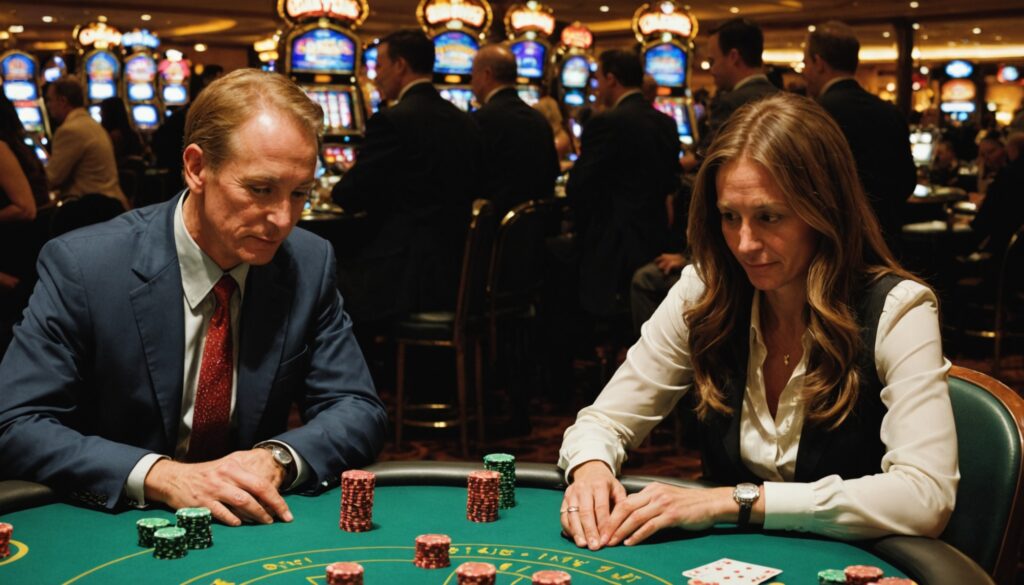
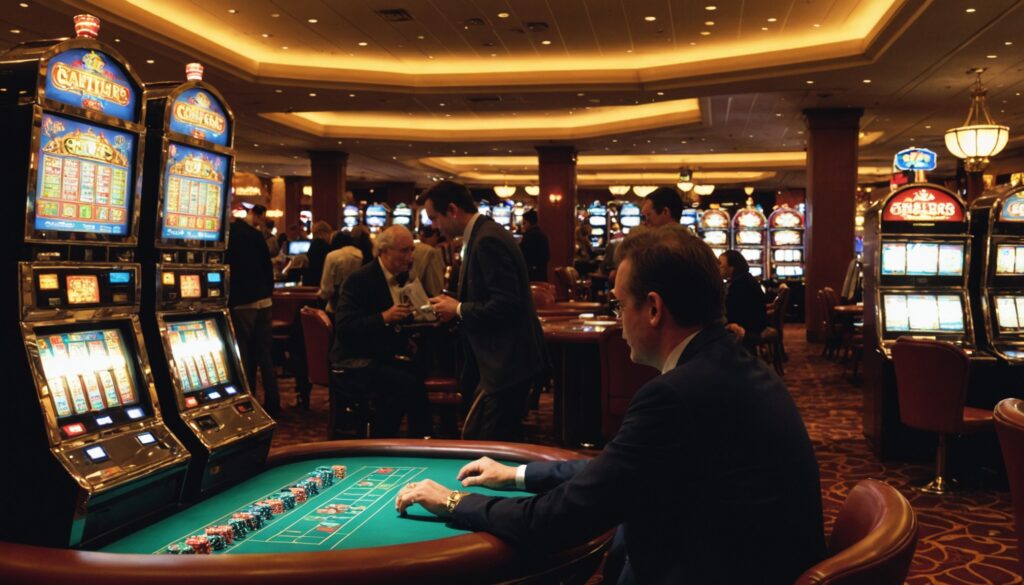
Right, so here’s how this started. I was in a casino in Manchester on a Saturday afternoon — nothing special, just a quiet one while the football was on. I’d gone in with £60, no real plan, and then I had this daft idea: what if instead of bouncing around like I usually do, I just… stayed put? One machine. One hour. Track everything I could. Treat it like a proper little experiment.
I know that sounds like something a massive nerd would do, and yeah, fair enough. But I genuinely wanted to understand what a slot machine session looks like when you actually pay attention. Not just “oh I lost a bit, never mind” — actually watch the thing. So I grabbed a pint, got my phone out to use the notes app, and picked a machine: Gates of Olympus, £0.50 a spin, 100 paylines. Standard stuff.
Here’s everything that happened.
The Setup: What I Was Tracking
Before I get into the numbers, here’s what I was trying to record during the slot machine session one hour experiment:
- Number of spins — roughly how many I got through in 60 minutes
- Bonus rounds triggered — how often the free spins feature hit
- Biggest single win — the best payout from one spin or one bonus
- Net result — how much I was up or down at the end
- Longest losing streak — the most consecutive dead spins
I wasn’t doing this with any scientific precision. I’m a bloke in a casino with a pint and a notes app, not a PhD student. But I wanted something more honest than vibes, you know?
The First Twenty Minutes: Absolute Silence
The first chunk of the session was brutal, honestly. Twenty minutes in, I’d done roughly 80 spins at £0.50 each — so £40 gone — and the machine had given me almost nothing back. A few small wins here and there, maybe £3–£4 total. No bonus. Not a sniff of one.
I tracked my longest losing streak during this period: 23 consecutive spins with zero return. Not even a consolation win. Just spin, lose, spin, lose. It felt like the machine had gone completely cold, and I’ll be honest — if I’d been in my usual mindset, I’d have walked off and tried something else.
But I stayed. That was the whole point.
What this chunk of the session showed me is how genuinely brutal the variance on these games is. People talk about slot machine strategy like there’s some way to time it or read the machine, but there’s nothing to read. Twenty minutes of silence is just… what happens sometimes. The RNG doesn’t care that you’ve been sitting there being patient.
Minutes 20–40: One Bonus, A Glimmer of Hope
Around the 25-minute mark, the bonus finally triggered. Three scatters, free spins activated. I had about £18 left at this point, so I needed this.
The bonus round gave me 15 free spins with a multiplier mechanic. It built up reasonably well — I ended up with a total return of £22 from the feature. So I was back to around £40 in my balance, which basically meant I’d clawed back most of what I’d lost in the dead zone.
Emotionally, that felt massive. That’s the thing with slots — you can be grinding away for ages, feeling nothing, and then one bonus hits and suddenly you’re back in it. That dopamine hit is real and it’s deliberate. The games are designed to make that comeback moment feel significant, and it absolutely does, even when you know what’s happening.
I did a further 60 or so spins through this stretch. Won a handful of small pays, nothing life-changing. One spin gave me about £4 back on a £0.50 bet which was a nice little hit. Net position at the 40-minute mark: roughly £38 remaining from my original £60. Down about £22.
The Final Twenty Minutes: Chasing Nothing
This is where it got interesting from a slot machine experiment perspective. The last stretch — roughly 80 more spins — produced one more small bonus that paid out about £9, and then nothing meaningful.
I was watching myself start to think things like “it’s due another bonus soon” or “that was a near-miss, it’s warming up.” Completely irrational. The machine doesn’t have memory. A near-miss on a slot isn’t a sign of anything — it’s just another random outcome that happened to land close. But your brain does this thing where it looks for patterns, and slots are specifically built to exploit that tendency.
I ended the hour with £24 left from my £60 starting bank.
Final numbers from the slot machine session one hour experiment:
- Total spins: approximately 220
- Total wagered: £110 (220 × £0.50)
- Total returned: £74 (including the £24 I cashed out)
- Bonuses triggered: 2
- Biggest win: £22 from the first bonus feature
- Net loss: £36
- House edge experienced: roughly 33% — higher than the stated RTP would suggest, but that’s variance for you
What I Actually Learned About Slot Strategy
Look, I’m not going to sit here and pretend I unlocked some secret. There isn’t one. But doing this properly for one hour, actually paying attention, did teach me a few things worth saying out loud.
The “stay on one machine” thing is a myth
People say you should stay on a machine because it’s “due” a win. You hear this constantly in casinos. It’s nonsense. Every spin is independent. The machine doesn’t owe you anything. Staying put only makes sense if you’ve decided on a session limit and you’re sticking to it — not because the game is somehow warming up.
Variance eats your money faster than the house edge does
The stated RTP on Gates of Olympus is around 96.5%, which sounds pretty good. In theory, you’d expect to lose about £3.85 per £100 wagered over the long run. I lost £36 on £110 wagered. That’s because in the short term, variance is savage. The maths works out over millions of spins — not over one hour in a Manchester casino.
Bonus frequency matters more than you think
I got 2 bonuses in 220 spins. That’s roughly one every 110 spins. The game’s advertised bonus frequency is around 1 in 100–125 spins, so I was roughly in line with expectation — but that first 80-spin drought before the initial bonus felt awful. Understanding that these games can go 150+ spins without a feature helps manage your expectations and your bankroll planning.
Your budget should be built around feature frequency
If a bonus hits roughly every 100 spins and you’re playing £0.50 a spin, that’s £50 between features on average. So if you sit down with £20, you’re likely not even going to see a bonus. This is the most practical piece of slot machine strategy I actually use now: bring enough to see a few features, or don’t bother. Otherwise you’re just funding other people’s jackpots.
Honest Verdict: Was It Worth It?
I lost £36. So financially, no, obviously not.
But as an exercise in actually understanding what a slot session looks like when you pay attention, it was genuinely useful. I came away with a much clearer picture of how quickly money moves through these machines, how misleading short-term results are, and how expertly the whole experience is designed to keep you engaged even when you’re losing.
The thing that stuck with me most wasn’t the maths — it was watching myself invent reasons to stay positive during a cold stretch. “The bonus is coming.” “That near-miss means it’s warming up.” None of it was real, but I was doing it automatically. That’s the bit that’s worth understanding before you put any money in. These games are good at what they do, and what they do isn’t make you rich.
If you’re going to play slots — and plenty of us do, because they’re fun and that’s fine — just go in with your eyes open. Set a budget based on spin count, not just a pound figure. Know the bonus frequency. And maybe, just once, track what actually happens during your session. You might surprise yourself.
Or you might just lose £36 and write about it on the internet. Either way, you’ll learn something.