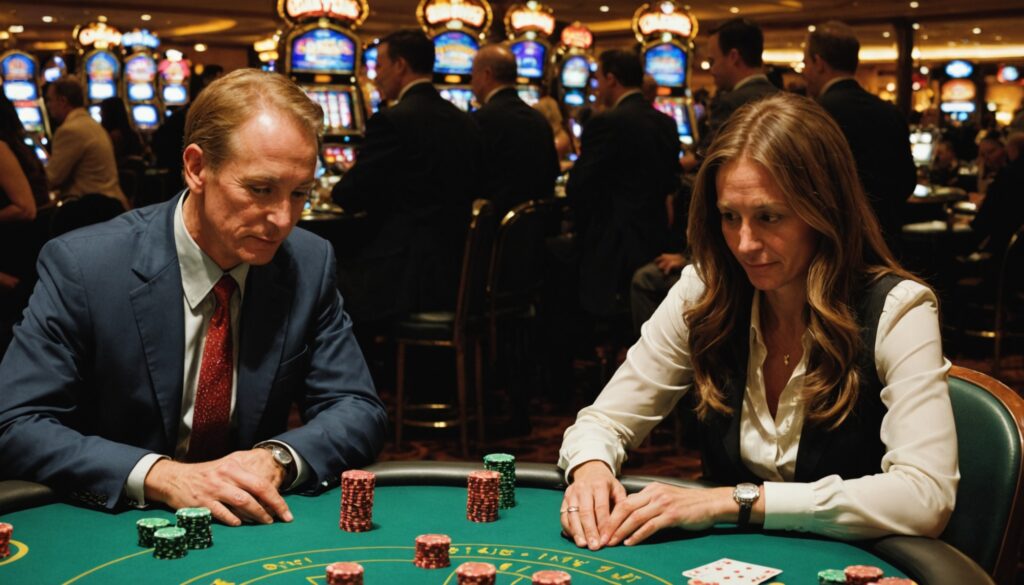
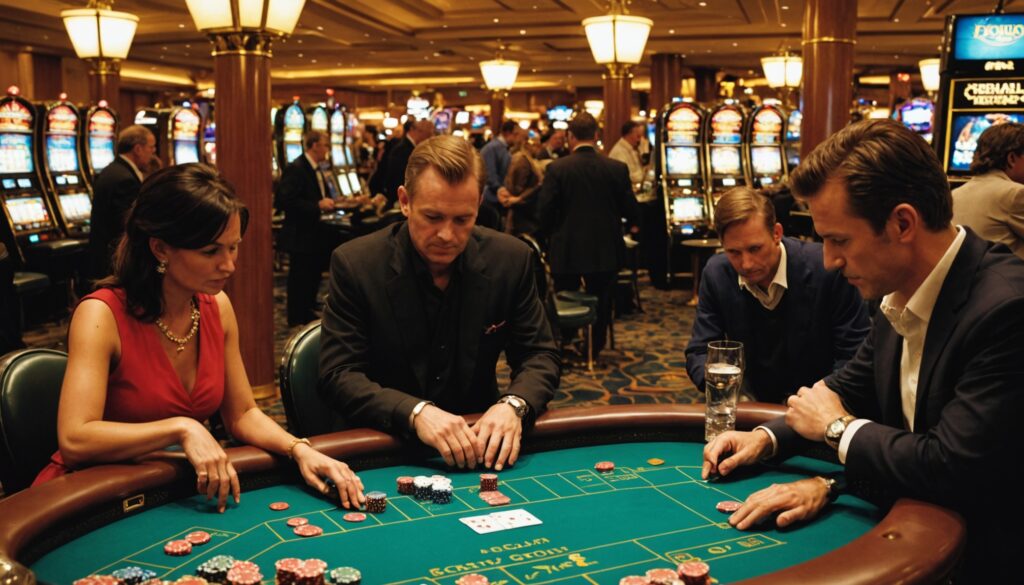
Losing £800 in two hours is entirely possible when you make the decisions I made that night.
I’m not writing this for sympathy. I’m not writing it to scare you off gambling either, because honestly, I still go. But this particular night was bad enough that I felt like I needed to sit down and actually pick it apart — every decision, every stupid little justification I made in the moment — because maybe seeing it laid out like this is useful to someone. Maybe that someone is me, next time I’m standing at a roulette table thinking “just one more spin.”
This is my big casino loss story. It’s not dramatic in a movie way. It’s just depressingly ordinary, which is almost worse.
How the Night Started (Fine, Obviously)
It was a Saturday. I’d had a decent week at work, nothing special, just one of those weeks where you feel like you’ve earned a bit of a treat. A mate had bailed on plans last minute, so instead of sitting at home I decided to head into town and pop into the casino for a couple of hours. Low stakes, just for a laugh. That was the plan.
I took out £200 cash before I went in. That was my budget. I’ve done this loads of times and it works fine — you take out what you’re willing to lose, you don’t touch your card, you go home. Simple. Except this time I had my debit card in my pocket, which I told myself was “just in case of an emergency.” Spoiler: a roulette table is not an emergency.
I started at the blackjack table. Playing £10 a hand, basic strategy, nothing mad. I was actually up about £60 after maybe 40 minutes. Genuinely having a nice time. That early win is, looking back, probably where everything started going wrong.
The First Mistake: Changing the Plan Because I Was Winning
When you’re up, there’s this voice in your head that says you’re on one tonight. That the table is hot. That you should press your bets a bit because this is clearly your night. It’s complete nonsense, obviously — the cards don’t know what happened on the previous hand — but in the moment it feels like logic.
I bumped my bets up to £25 a hand. Still not reckless, I thought. Still within reason. But I’d already broken the actual rule, which was: stick to the plan you made before you walked in, not the plan you’re inventing based on vibes inside the casino.
I gave back the £60 I’d won and then another £40 on top of that. Down £40 on my original £200. Not a disaster. But annoying. And annoyed is a terrible headspace to gamble in.
Moving to Roulette: Where It Actually Fell Apart
I don’t even particularly like roulette. The house edge is brutal — 2.7% on a single-zero wheel, nearly 5.3% on an American double-zero — and there’s no strategy that actually changes that. I know this. I’ve known it for years. And yet when I’m tilted from blackjack, roulette is somehow where I end up. Something about the pace of it, the simplicity, the feeling that a big number hit could fix everything in one spin.
I sat down with £100 — half my remaining budget — and started on the outside bets. Red/black, £10 a spin. Fine. Except I lost six of the first eight spins, which happens, and then I started doing the thing I absolutely know not to do.
I started chasing.
The Chasing Spiral — Explained Honestly
Chasing losses is when you increase your bets to try and win back what you’ve lost quickly. It feels rational in the moment — you just need one good spin to get back to even. But here’s what actually happens:
- You’re now betting more per spin than you planned, so when you lose (which you will, repeatedly), you lose faster
- Your decision-making gets worse the more stressed you are about the money
- You stop thinking about entertainment and start thinking about recovery, which is a completely different — and much more dangerous — mindset
- The casino doesn’t care. The wheel doesn’t care. The edge stays the same regardless of how badly you need a win
Within about 25 minutes I’d burned through that £100. I was now down £140 on the night. Still not catastrophic. But I went to the cash machine in the lobby and took out another £200. That’s when the night went from a bad session to a casino bad night that I’d still be thinking about weeks later.
The Part I’m Most Embarrassed About
I went back to the roulette table. Lost £100 of the new £200 fairly quickly, still chasing, still making bigger bets than made any sense. Then — and this is the part that still makes me cringe — I went to the bar, had a couple of drinks, told myself I was calming down, and went back.
I wasn’t calmer. I was just less inhibited.
Over the next hour I took out another £200 from the cash machine twice. That’s £400 more on top of everything else. I was playing roulette at £25-£50 a spin by this point, occasionally throwing money on straight-up numbers because the outside bets “weren’t working.” As if the table owed me a different kind of loss.
The total damage by the time I walked out was £800. My original £200 plus £600 in cash machine withdrawals. Gone in under two hours.
I got a kebab on the way home and didn’t tell anyone for about a week.
What Actually Went Wrong — The Real Breakdown
When I actually sit with this casino loss £800 story and try to be honest about it, it wasn’t one big mistake. It was a series of small ones that compounded:
- I brought my debit card. This is the cardinal sin. If your cash is gone, the night is over. Full stop. Having the card there meant I always had “one more chance.”
- I changed my stakes when I was winning. Early momentum isn’t a strategy. It’s just luck wearing a convincing costume.
- I moved games when I was tilted. Going from blackjack (which at least has strategy) to roulette when I was already annoyed was just giving money away faster.
- I drank. Not heavily, but enough. Even mild drinking makes you worse at the one thing you need to be good at, which is walking away.
- I chased. Every time. Every withdrawal. Still chasing at spin 40-something like it was going to magically reverse.
None of these are revelations. I knew all of this going in. That’s the genuinely uncomfortable part of this whole losing at casino story — the knowledge doesn’t protect you when you’re in the moment and your brain is doing backflips trying to justify the next bet.
What I’ve Actually Changed Since
I still gamble. I want to be straight about that. But I’ve made some concrete changes that have genuinely helped:
- No card in the casino. Ever. I leave it at home now, not just in my pocket. Physical separation matters.
- Hard session limit set before I go in. Not a loose mental budget. An actual number, written in my phone notes before I leave the house.
- I don’t drink at the table. I’ll have a drink at the bar after, not during. Completely different experience.
- If I’m chasing, I leave immediately. No negotiation. The moment I notice I’m trying to “get back to even,” I cash out whatever I have and go.
Have I stuck to all of these perfectly every single time? No. But I haven’t had a night like that one since. And £800 lighter is a very expensive way to learn lessons you technically already knew.
The Honest Conclusion
I’m not going to tell you gambling is evil or that you should never set foot in a casino. That’s not my style and it’s not honest. Plenty of nights I’ve gone in with £100, had a decent time, and come home up or down a small amount that doesn’t wreck anything.
But that night was a proper big casino loss story, and the reason I wanted to write it out is that I think most gamblers have had a version of it. The night where everything compounds. Where one bad decision leads to another and you keep thinking the next bet is the one that fixes it.
It never is. That’s not pessimism, it’s just maths.
If you recognise any part of what I’ve described here — the chasing, the card withdrawal, the drinks, the moving tables — maybe take it as a nudge. Not a lecture. Just a nudge from someone who’s been there and still feels a bit sick thinking about it.
Take cash only. Set a real limit. And if it goes wrong early, just go home. The kebab on the way back honestly tastes better when you’ve still got money in your account.