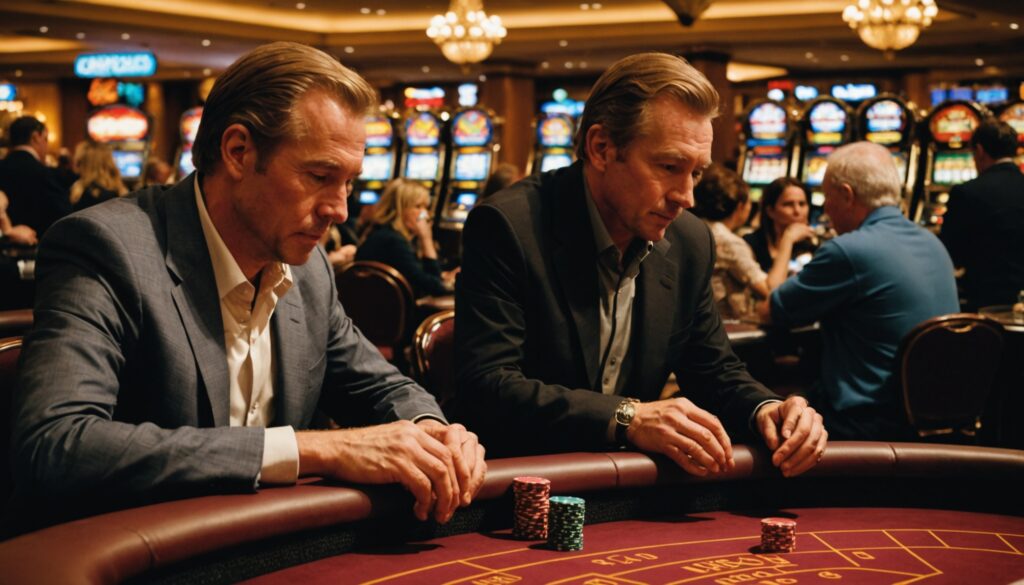
A hundred quid can absolutely get you a proper night at the casino — if you stop pretending you’re going to win big and start playing smart.
Right, let’s be honest about something first. Most nights I go to the casino, I walk in with good intentions and walk out having blown through money faster than I planned. Sound familiar? So a few months back I set myself a proper challenge: take exactly £100, nothing more, and see how long I could actually last — and whether I’d enjoy it. No topping up on the card, no “just another £20,” no nonsense. £100 in my pocket and that’s it.
Spoiler: it was one of the better nights I’ve had out. Here’s what I learned.
Setting Expectations Before You Even Walk In
The biggest mistake people make with a casino night £100 budget is walking in thinking they’re going to double it. That mindset kills your night. The second you start chasing a profit, you make bad decisions, you increase your bets when you’re down, and you burn through everything in an hour wondering what happened.
Flip the script entirely. Think of that £100 like you’d think of a night out at a gig or a restaurant. You’re paying for entertainment. If you come home with some of it still in your pocket, brilliant. If you spend most of it but had a great few hours, that’s also a win in the real world sense.
Before I left the house I decided three things:
- I would not take my bank card into the casino
- I’d set a loss limit of £80 (leaving £20 as a “walk away” buffer)
- I’d stick to low stakes tables and not get sucked into anything above £5 a hand
Simple rules. Hard to follow in the moment. But having them written on my phone helped more than I expected.
Which Games Actually Work on a Low Budget
Not all casino games are equal when you’re working with a £100 casino budget. Some will chew through your money in ten minutes. Others can genuinely keep you going for hours if you play with any sense at all.
Blackjack — Still the Best Bang for Your Budget
If you’re doing a cheap casino night on a tight budget, blackjack at a £2 or £3 minimum table is your best friend. The house edge on basic strategy blackjack is somewhere around 0.5%, which is as good as it gets in a casino. I sat down with £40, played basic strategy (look it up — seriously, print it off, most casinos don’t care if you reference it), and I was still at that table an hour and a half later.
I ended up £12 down from that £40. Two hours of entertainment for £12. That’s cheaper than a cinema ticket.
Roulette — Fun But Dangerous on a Tight Bankroll
I love roulette. I also know it’s not ideal for low stakes gambling on a small pot. The house edge on European roulette is 2.7%, which sounds small but stacks up fast if you’re betting £5 a spin. Stick to outside bets — red/black, odd/even — and treat it as entertainment rather than a money-making exercise. I gave myself £20 on roulette and stretched it to about 40 minutes by betting £1 chips and not going mental.
What I’d avoid: American roulette (double zero = 5.26% house edge, absolutely not worth it) and any minimum bet table above £5 when you’re on a tight budget.
Slots — Honestly, Be Careful
I know slots are the most tempting thing in the building. They’re flashy, they’re easy, and hitting even a small bonus feels great. But on a casino night £100 budget, they can wipe you out stupidly fast. I allowed myself £15 on slots just for a bit of fun, picked a 20p minimum spin machine, and didn’t go above 50p a spin. Had a reasonable time, ended up about £8 down.
The key is genuinely just picking low denomination machines and not convincing yourself that “just one more spin” is a strategy. It isn’t.
How to Actually Stretch Your Money at the Casino
Beyond game selection, there are actual practical things you can do to make a £100 casino budget go further. None of these are magic tricks, just common sense that goes out the window the second you’re under the casino lights.
- Split your bankroll before you start. Divide your £100 into chunks before you sit down. I did £40 blackjack, £20 roulette, £15 slots, £25 kept in my back pocket as a reserve I had to consciously decide to use. This stops you accidentally dumping everything on one game.
- Walk away when you’re up, even a little. I hit a nice run on blackjack early and was up £30. Instead of grinding for more, I pocketed the £30 profit and played on with my original stake only. Ended the night only £18 down overall. That pocket-your-profits habit is underrated.
- Take advantage of free drinks — but don’t get stupid. UK casinos aren’t like Vegas where they’ll ply you with free alcohol all night, but some do offer complimentary soft drinks or cheap bar deals for members. Stay sharp though. Drunk gambling is where budgets go to die.
- Join the loyalty scheme. Most casinos have a free membership card. You’re going anyway — might as well earn points. Some give you free play vouchers or food discounts after a few visits. It’s not going to save your night, but it adds up.
- Avoid the ‘Bet Behind’ and side bet traps. Every table has side bets now — Perfect Pairs, 21+3, Lucky Ladies. The house edge on these is typically 5-10%+. On a budget night, they’re just a tax on your entertainment. Skip them.
The Psychological Bit — And This Is Important
The hardest part of a cheap casino night isn’t the maths. It’s keeping your head right when things go against you. And they will go against you at some point — that’s just how gambling works.
About an hour into my night, I dropped £25 in about 20 minutes at blackjack. Cards were just horrible — the dealer kept pulling 20s and 21s out of nowhere. At that point, every instinct you have screams at you to increase your bets to “win it back quicker.” That’s the path to ruin on a tight budget. I stepped away from the table, had a drink of water, walked around for ten minutes.
Coming back with a clear head, I sat at a different table, went back to my minimum bets, and clawed back about £15 of that over the next hour. Not all of it, but some. The walk-away reset is real and it works.
If you hit your loss limit — mine was £80 — you leave. Not “one more hand.” Not “let me just try roulette.” You leave. Having that rule in place before emotions are involved is the only way it actually sticks.
What the Night Actually Cost Me
Alright, the full honest breakdown. I walked in with £100. Here’s where it went:
- Blackjack: played for about two hours, ended down £22
- Roulette: 40 minutes, down £14
- Slots: 30 minutes of messing about, down £8
- Drinks and a meal deal at the casino bar: £16
Total spent: £60. Total time: nearly four hours. I came home with £40 in my pocket. By any measure, that’s a decent night out. I wasn’t rolling in money but I wasn’t devastated either, and I genuinely had a good time.
Would I Do a £100 Budget Night Again?
Yeah, honestly. More than that — I think I’d recommend it to anyone who wants to go to the casino but is nervous about losing control of their spending. Having a hard limit forces you to play smarter. You think more carefully about every bet. You stay at tables longer rather than trying to rush a profit. Weirdly, the constraint made me a better player on the night.
The one thing I’d do differently is research the specific tables before going. Some casinos have pushed their minimums up to £5 or £10 even midweek, which makes stretching a £100 casino budget much harder. Ring ahead or check online. A £2 blackjack table changes the entire maths of the evening.
You’re not going to get rich on a casino night £100 budget. But you already knew that. What you can do is have a proper night out, keep your losses manageable, learn a bit about how to play properly, and not wake up with that hollow sick feeling the next morning because you torched three months of savings. That’s worth something. Actually, that’s worth quite a lot.
Go in with your eyes open, leave the card at home, and enjoy it for what it is. Just don’t tell me you’ve got a system that’s going to beat the house. I’ve heard that one before.