Last night cost me £60 and taught me more than any strategy guide ever has.
I want to write this up while it’s still fresh, because I think there’s something genuinely useful in walking through a real blackjack session recap rather than some theoretical nonsense about expected value and house edges. I’ve read all that stuff. It doesn’t prepare you for the moment you’ve got £50 on the table, you’re sitting on a 16, and the dealer is showing a 7. Your stomach drops. Your brain goes blank. And you either remember your training or you don’t.
Last night, I sometimes did. Sometimes I really, really didn’t.
Here’s how it went, start to finish.
Setting the Scene
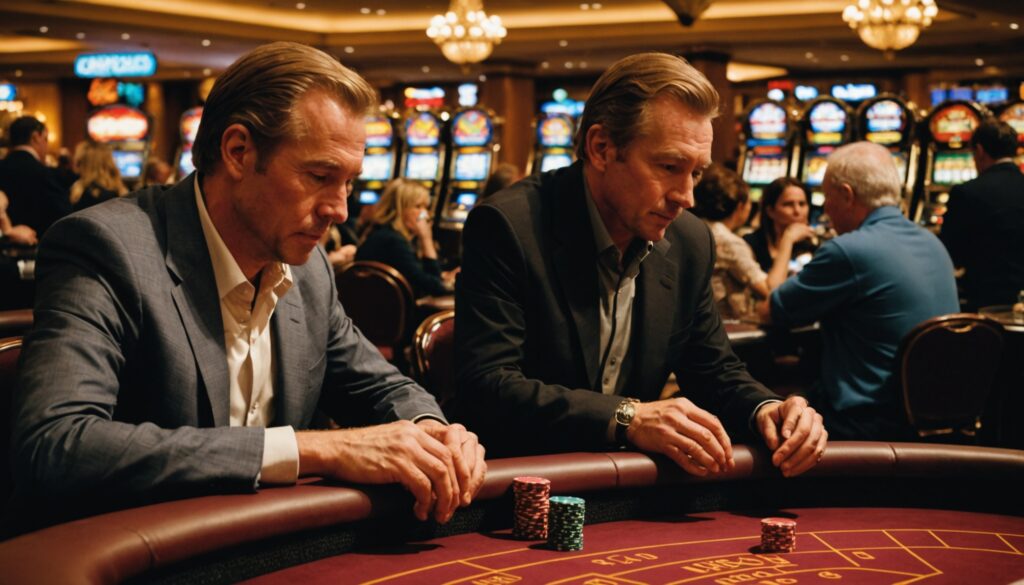
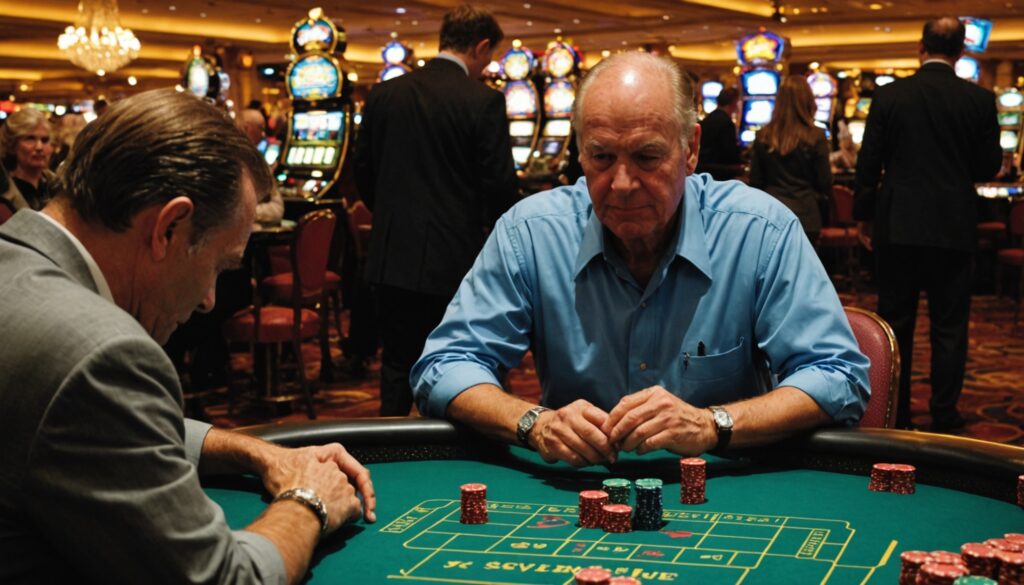
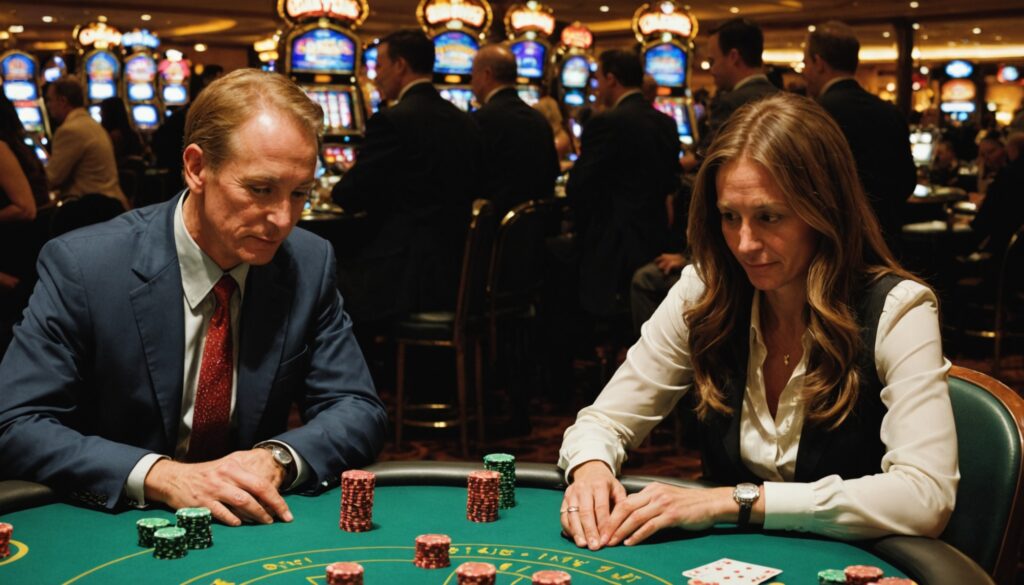
This was at my local casino — nothing glamorous, a mid-sized place in the Midlands that smells faintly of carpet cleaner and ambition. I got there around 8pm on a Friday, which is usually a decent time. Busy enough that you’re not the only one at the table, quiet enough that you’re not being rushed by other players.
I brought £200 as my session bankroll. That’s my personal rule — I decide what I’m willing to lose before I walk in, I take it in cash, and when it’s gone, it’s gone. I know some people think that’s too much. I know some people think it’s nothing. For me, it’s a number that stings if I lose it but doesn’t actually ruin my week.
I sat down at a £5 minimum table, bought in for £100, and kept the other £100 in my pocket as a potential rebuy. This matters — I’ll come back to it.
The First Hour: Everything Was Going Suspiciously Well
I won’t pretend I’m not superstitious. The first hand I was dealt a blackjack — ace and king of spades — and I thought, right, tonight’s the night. Paid out at 3:2, so £7.50 on a £5 bet. Lovely start.
The first hour was honestly great. I was playing solid blackjack strategy — basic strategy, nothing fancy — and the cards were cooperating. I was hitting when I should, standing when I should, and the dealer kept busting. By about 9pm I was up roughly £75 on my initial £100 buy-in, sitting on about £175 in chips.
A few decisions I’m proud of from this stretch:
- I split 8s against a dealer 9. Everyone groans when you do this because it looks mental — you’re splitting into what looks like two losing hands. But basic strategy is clear: always split 8s. You’re turning one horrible 16 into two chances to build something decent. It worked out; I won one and pushed the other.
- I doubled down on 11 against a dealer 6. Easy decision on paper, harder when you’re putting an extra £15 out there. Drew a 10 for 21. That’s the game working exactly as it should.
- I didn’t take insurance. Not once. Insurance is a sucker bet, full stop. The house edge on it is brutal and it’s dressed up to look like you’re protecting yourself. You’re not. You’re just giving more money away.
The Second Hour: Where It Started Getting Interesting
Around 9:30 a couple of lads sat down next to me and the energy at the table changed. One of them was playing erratically — hitting on 17, standing on 12 against a dealer face card — and whilst I know their decisions don’t mathematically affect my outcomes in the long run, in the short run the shoe was getting chopped up differently and I started tilting mentally.
I made my first bad call: I stood on a soft 17 (ace and 6) against a dealer 8. Basic strategy says hit. I knew that. I just… didn’t. I’d won the last three hands and I got complacent. Dealer flipped a 9 for 17, pushed. Lucky escape, but I knew I’d made a mistake.
The bigger issue was I started bumping my bets up. I went from £5-£10 units to chucking out £20-£25 on hunches. That’s not strategy, that’s ego. I was up and I wanted to be more up. Classic.
By the end of hour two I was still up, but only about £40 instead of £75. I’d given £35 back through a mix of bad beats and bad decisions. Roughly half the slide was cards, the other half was me being an idiot.
Hour Three: The Brutal Middle
This is the part nobody writes about in live blackjack tips articles. The grind. The bit where you’re not winning, you’re not losing dramatically, you’re just slowly haemorrhaging chips through a combination of slightly unlucky variance and the inevitable house edge doing its quiet work.
I had a stretch of about 40 minutes where I couldn’t win more than two hands in a row. Every time I thought I’d steadied, I’d lose three on the bounce. The dealer was hitting everything — drawing 5s and 6s to make 20s and 21s from seemingly impossible positions. I watched him draw to 14 and pull a 7 three separate times. Three times. That’s the casino night experience nobody’s Instagram account shows you.
I rebought my second £100 somewhere in hour three. That stung. I hate reaching into my pocket for the second envelope. It always feels like a small failure even when it’s technically part of the plan.
What I tried to do — and mostly managed — was keep my bets disciplined. Back down to £5-£10. No chasing. Every hand treated independently. It helped. Didn’t stop the losses but it slowed them down.
Hour Four: The Comeback That Almost Happened
Here’s the thing about blackjack. It will occasionally do this to you where it gives you a window, just a window, where everything clicks and the cards run hot and you can claw something back.
I had that window between about 11pm and 11:30pm. Won six out of eight hands. Got a blackjack. Successfully doubled on a 10 against a dealer 5. The table had thinned out, it was just me and one other quiet bloke, and for half an hour it felt like actual momentum.
I was up to about £130 in chips at my peak in this stretch. From a low of probably £70 earlier in the evening, that felt enormous. I thought about leaving. I genuinely did. I looked at those chips and thought: this is £30 up on the night, that’s a decent result, walk away.
I didn’t walk away.
The last 25 minutes were a slow drip back down. Nothing catastrophic — I wasn’t throwing money around — but the window had closed and I just couldn’t read when to stop. Cashed out with £140 in chips.
The Final Reckoning
Let’s do the maths plainly:
- Total bought in: £200 (£100 + £100 rebuy)
- Cashed out: £140
- Net loss: £60
- Time at the table: Just under 4 hours
So I paid roughly £15 an hour for an evening’s entertainment, plus whatever I spent on drinks. Honestly? Compared to a gig or a night out, that’s not outrageous. The difference is I went in thinking I might come out ahead, and I didn’t. That’s the bit you have to make your peace with.
What I Actually Learned (Again)
I say “again” because these lessons aren’t new. I just need reminding of them every few months apparently.
- Basic strategy is the floor, not the ceiling. You have to play it perfectly, every hand, every time. The moment you start improvising you’re just donating extra money.
- Bet sizing matters more than I ever give it credit for. My losses in hour two were almost entirely self-inflicted through inflated bets. Discipline on bet sizing is genuinely half the game.
- Set a walk-away point when you’re winning, not when you’re losing. I should have decided before I sat down: “If I hit £175, I’m done.” I didn’t. Next time I will.
- The rebuy envelope is not an emergency fund. It’s part of your bankroll. But psychologically, touching it changes something. If you’re not mentally prepared for that feeling, it’ll throw you off.
- Other players’ bad decisions are not your problem. Stop watching them. Stop thinking about them. Play your hand.
Would I Do It Again?
Obviously yes. That’s the honest answer. I enjoy blackjack. I enjoy the concentration it demands, I enjoy the brief camaraderie of a good table, and yes, I enjoy the moments when a well-executed double down pays off and you were right and you knew you were right.
A £60 loss on a Friday night isn’t a disaster. It’s the cost of doing something I find genuinely entertaining, and at least with blackjack, unlike slots or roulette, I feel like my decisions actually matter. They do and they don’t — the house always has the edge — but they matter enough that playing well means something.
If you’re doing your own blackjack session recap in your head after a rough night, just be honest with yourself about which losses were variance and which ones were you. The variance you can’t control. The rest of it, you can work on.
Right. I’m going to bed. Good luck out there.