Craps looks intimidating from across the casino floor, and the first time you step up to the table, it absolutely lives up to that reputation.
I’d walked past craps tables dozens of times. The noise, the crowd, blokes shouting, chips flying everywhere — it always looked like something happening in a different language. I stuck to blackjack and roulette because at least I understood what was going on. But after watching a few YouTube videos on a slow Tuesday night and convincing myself I’d cracked it, I decided to finally have a go. This is what actually happened.
The Build-Up (And Why I Nearly Bottled It)
My first time playing craps was at a casino in Manchester. I’d done maybe three hours of watching videos and reading basic strategy guides, which in hindsight gave me just enough knowledge to feel confident and just enough gaps to make a fool of myself.
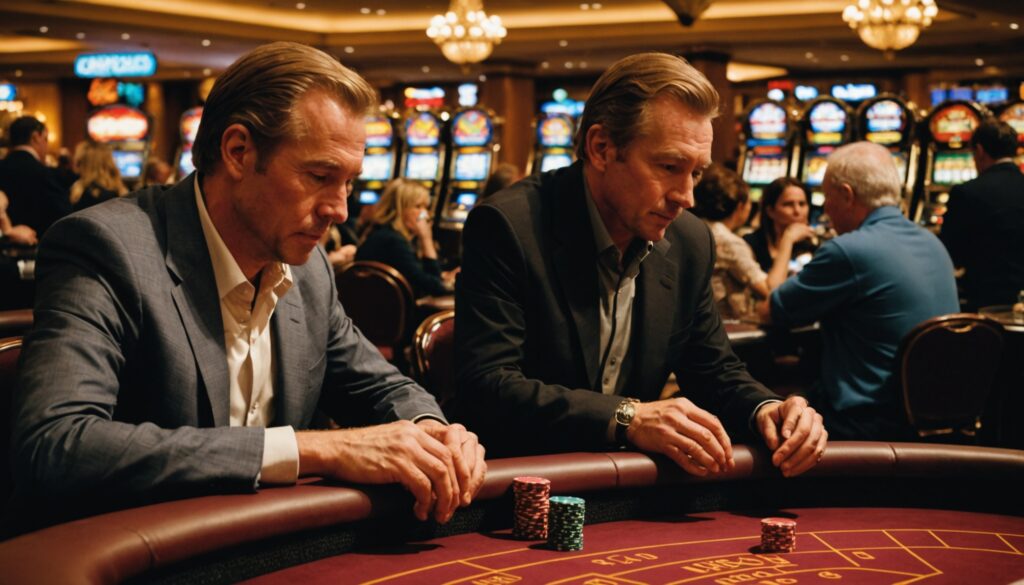
I stood at the edge of the table for a good ten minutes pretending to watch. The layout looked like someone had sneezed abbreviations all over a piece of felt. Come. Don’t Come. Pass Line. Don’t Pass. Place bets. Hard 8. I knew what most of them meant in theory. In practice, with a dealer staring at me and three other players mid-roll, it was a different story entirely.
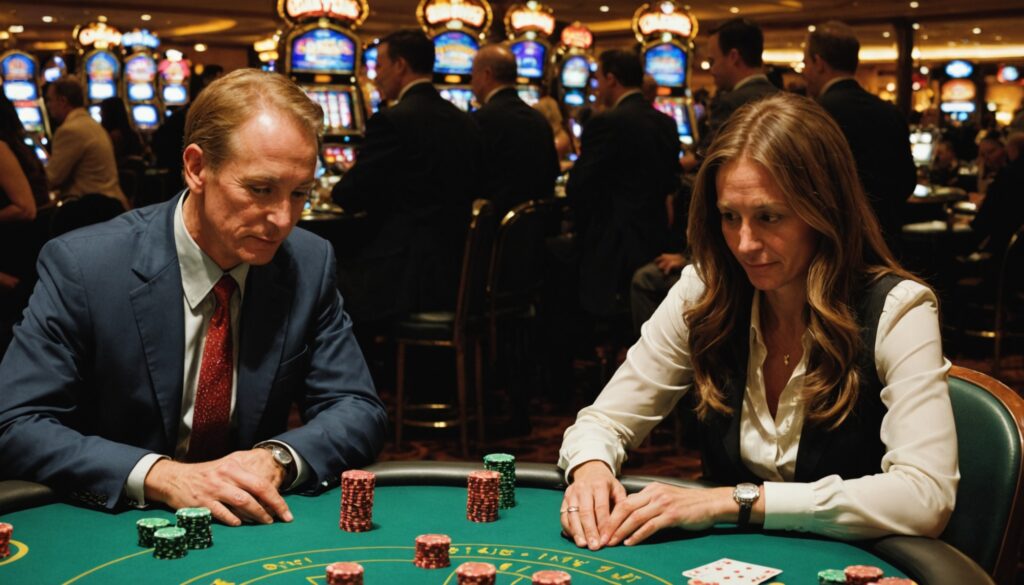
I nearly walked away. Genuinely. But I’d told my mate Dave I was going to do it, and I wasn’t going to text him saying I bottled it over a dice game. So I bought in for £100, picked a spot, and tried not to look like I’d never done this before. I absolutely looked like I’d never done this before.
The First Thirty Minutes: Confused, Quiet, Trying Not to Touch Anything
If you’re learning craps for the first time, nobody tells you how much of the experience is just spatial awareness. Where do you put your chips? When do you hand them to the dealer versus placing them yourself? Why is everyone reaching over me? What does “coming out roll” mean in real time when it’s actually happening?
I started simple. Pass Line bet only. £5. That’s the one bet everyone tells beginners to start with, and it’s genuinely good advice. The shooter rolls, you win on a 7 or 11, lose on 2, 3, or 12, and anything else becomes “the point.” Then they roll again trying to hit that number before a 7 shows up. That part I understood.
What I didn’t understand was the pace. It moves fast. The dealers are efficient to the point of being robotic. Chips appear and disappear. I lost my first bet, won the second, lost two more, and by the time I looked up I was down about £20 and had no real memory of it happening.
One of the other players — older bloke, clearly a regular — clocked that I was new and gave me a nod. “Just pass line and odds for now,” he said. I nodded back like I completely knew what odds meant. I did not completely know what odds meant.
The Free Odds Bet: The Thing Nobody Explains Properly
This is the bit that changed my session. Once a point is established, you can place what’s called an odds bet behind your pass line bet. It pays true odds — no house edge. Zero. The casino makes nothing on it. It’s genuinely the best bet on the whole table and most beginners, myself included, have no idea it exists or how to use it.
The regular explained it to me between rolls. Once the point is set — let’s say it’s 6 — you put more chips behind your original bet. If the shooter hits the 6 before a 7, your pass line bet pays even money and your odds bet pays 6:5. If the point was 4 or 10, it pays 2:1. The exact ratio depends on the point number.
I started doing this in small amounts. £5 pass line, £5 or £10 odds behind it. It felt like I was actually playing properly rather than just guessing. My losses slowed down noticeably. I wasn’t winning loads, but I wasn’t haemorrhaging chips either.
If there’s one thing to take from any craps for beginners guide — including this one — it’s this: learn the odds bet before you do anything else.
The Moment It Clicked (Sort Of)
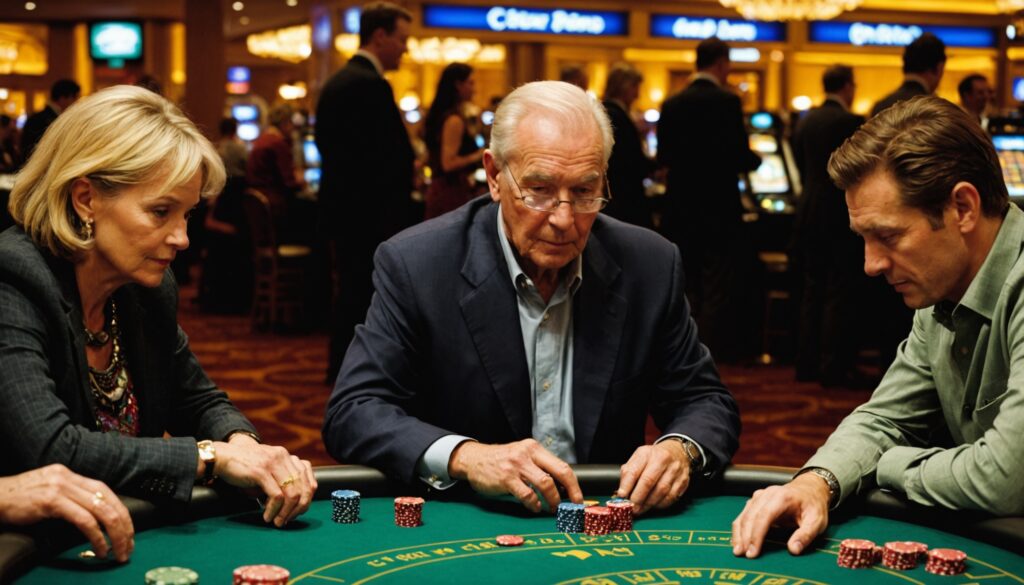
About an hour in, something shifted. I started to recognise the rhythm of the game. The come-out roll, the point being set, the anticipation of each subsequent roll. I even started to understand why people get so animated — when a shooter is on a hot streak and keeps hitting points, the energy at the table is genuinely electric. Everyone’s winning together. It’s the most social gambling experience I’ve ever had.
We had one shooter — young lad, maybe mid-twenties — who went on an absolute run. Hit his point twice, kept rolling, hit another point, kept going. The table was loud. People were laughing. I had a modest £10 on the pass line with odds behind it and I was grinning like an idiot. Made about £35 off that one shooter’s roll.
That’s the thing about craps. When it’s good, it’s really good. The communal element is unlike anything else in a casino. You’re all rooting for the same outcome. Compare that to blackjack where everyone’s essentially playing their own separate game, or roulette where you’re just watching a ball — craps has a completely different energy.
What I Got Wrong (And There Was Quite a Bit)
Let me be honest about the mistakes, because a craps session as a beginner involves a lot of them.
- I touched my chips at the wrong time. Twice. The dealer had to remind me. You can’t touch your bet once the dice are in motion. I knew this. I still did it. Muscle memory from other games, I think.
- I tried a Place bet before I was ready. Someone at the table was talking about placing the 6 and 8, so I had a go. It’s not a complicated bet but I fumbled explaining it to the dealer and ended up just nodding when he repeated it back to me, not entirely sure he’d done what I wanted. He had. But still.
- I ignored the “Don’t Pass” option entirely. Betting against the shooter feels socially weird at a live table, especially when everyone else is on the pass line. I get why the maths slightly favour it, but I wasn’t ready to be that person.
- I over-bet during the hot streak. Classic. The shooter was rolling well, I bumped my bets up, and then he sevened out two rolls after I increased my stakes. Down £25 in about 90 seconds.
How I Finished and What I Actually Think of the Game
I ended the session down £30 on a £100 buy-in. Walked out with £70. Honestly? For a first timer, I’ll take that. I’ve had worse first sessions at blackjack when I thought I knew what I was doing.
The house edge on a pass line bet with full odds is genuinely one of the best in the casino — we’re talking under 1% depending on the table’s odds rules. That’s better than most blackjack games and miles better than roulette. The problem is the game can still burn you fast if you’re throwing chips around on proposition bets or getting carried away. The centre of the table — all those wild-looking bets — is basically a trap for beginners. Avoid it until you actually know what you’re doing.
Would I play again? Already have. Went back the following weekend with Dave, explained the basics to him, and we both had a decent time. I finished up £45 that session. He finished down £60 after ignoring everything I told him and betting on hard ways for an hour. That’s another story.
Honest Verdict: Is Craps Worth Learning?
Yes. Genuinely yes — but go in with realistic expectations for your first time playing craps.
You will be confused. You will make mistakes. The table layout is not intuitive and the pace is faster than you expect. But the fundamentals are actually simple once you strip everything back to pass line and odds. Start there. Stay there for the whole first session if you need to. Watch what other people do. Ask questions between rolls — most regulars are happy to help if you’re not holding the game up.
The combination of a low house edge, a genuinely social atmosphere, and that particular rush when a shooter goes on a run makes craps one of the most enjoyable games in a casino once you get past the learning curve. It just takes a session or two of feeling completely out of your depth first.
Worth it, in my opinion. Just don’t bet the hard 12 on your first go. Trust me on that one.