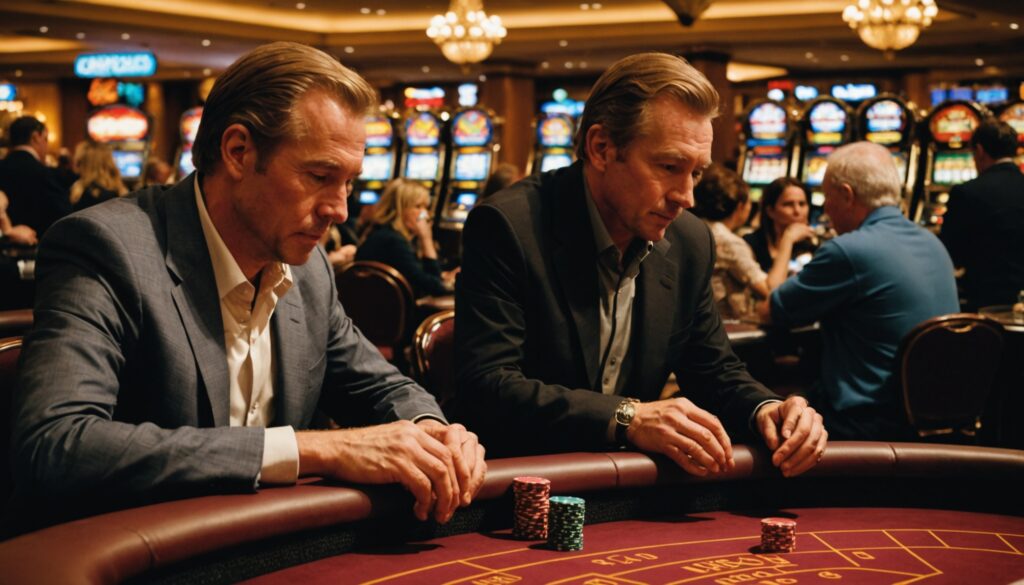
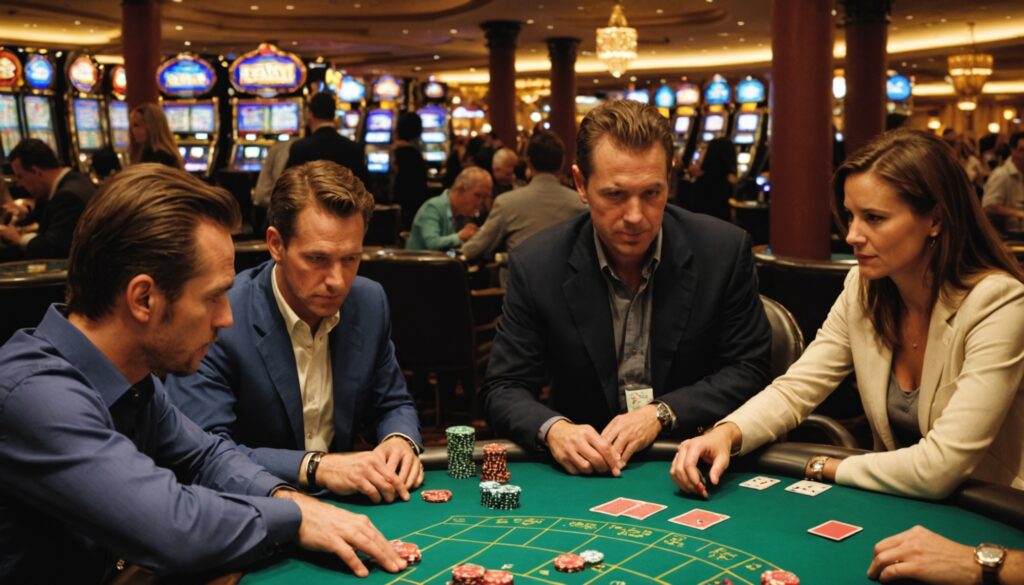
Tribal and commercial casinos feel different the moment you walk in, and those differences go way beyond the décor.
I’ve been gambling recreationally for about twelve years now. Nothing crazy — a few trips a year, a modest budget, mostly blackjack and pai gow with the odd slot session when my brain needs a rest. Over the years I’ve played in both tribal casinos and commercial casinos across the US (I travel a fair bit for work), and I’ve got opinions. Strong ones. Some of this might surprise you, some of it will probably confirm what you already suspected.
This isn’t a sponsored post. Nobody’s paying me to say any of this. It’s just what I’ve noticed as a regular bloke who enjoys a flutter and pays attention.
What Even Is the Difference? (Quick Background)
Before getting into the good stuff, it’s worth a two-minute explanation because I had no idea about this when I first started travelling to the States.
Commercial casinos are privately owned businesses, usually part of big resort chains like MGM, Caesars, or smaller regional operators. They’re regulated by the state they operate in and pay taxes like any other business.
Tribal casinos are owned and operated by Native American tribes on sovereign tribal land. They’re regulated under the Indian Gaming Regulatory Act (IGRA) from 1988, and while they work with state governments, the rules can differ from what you’d find in a commercial property. The tribe keeps the profits and — in theory — uses them to fund community services, housing, healthcare, that sort of thing.
In practice, both types of casino want your money. But how they go about getting it, and what the experience feels like, varies quite a bit.
The Atmosphere Is Noticeably Different
This is the first thing that hits you. Walk into a commercial casino on the Las Vegas Strip and it’s sensory overload — flashing lights, aggressive cocktail waitresses, tourists in hen dos, the whole pantomime. There’s an almost manufactured energy to it, like someone studied how to keep you stimulated and slightly disoriented at all times.
Tribal casinos tend to feel more… local. I don’t mean that as a knock. There’s a different crowd — more regulars, more people who genuinely live nearby and come in on a Tuesday night because they enjoy it, not because they’re on a bucket list trip. The energy is calmer. Sometimes that’s a relief. Sometimes, if you’re looking for that electric casino buzz, it can feel a bit flat.
I played at a tribal casino in the Pacific Northwest a couple of years ago and it genuinely felt like a local pub that happened to have blackjack tables. The staff knew half the customers by name. Someone brought in homemade biscuits for the break room. It was dead nice, actually.
Table Rules: This Is Where It Gets Interesting
If you care about odds — and you should — the differences between casinos in terms of table rules matter a lot more than most people realise.
Here’s what I’ve generally found:
- Blackjack payouts: Commercial casinos, especially on the Strip, have aggressively pushed 6:5 blackjack payouts on single-deck games. It sounds fine until you realise the house edge shoots up by about 1.4% compared to the standard 3:2. Some tribal casinos still offer 3:2 on more tables, though this is getting worse everywhere.
- Minimum bets: Tribal casinos often have lower minimums, especially midweek. I’ve sat at £5/$5 blackjack tables at tribal properties when the same commercial casino nearby started at $25.
- Continuous shuffling machines: More common at busy commercial casinos. Tribal spots sometimes still use hand-shuffled shoes, which some players prefer (and which make basic strategy feel a bit more meaningful).
- Surrender and other rules: This varies wildly regardless of casino type. Always check before you sit down.
The honest answer on the tribal casino vs commercial casino rules comparison is: it depends entirely on the specific property. Don’t assume tribal means player-friendly and commercial means predatory. I’ve been to terrible tribal rooms and excellent commercial ones. Check the felt, ask the dealer, look it up before you go.
Slots and Electronic Games
I’ll be upfront — I’m not a slots person. But plenty of people are, so it’s worth mentioning.
Tribal casinos in some states cannot offer Class III slots (the same as Las Vegas-style machines) without a compact agreement with the state. Some operate Class II machines instead, which look identical but work differently — they’re essentially electronic bingo. The RTP and feel can differ, and most casual players have no idea they’re playing a different product.
Commercial casinos in regulated states almost universally use Class III slots. If you’re a serious slots player, this distinction matters. If you’re just having a bit of fun, you probably won’t notice.
What I have noticed is that tribal casinos sometimes have looser-feeling slots — though I’d be very cautious about claiming this as fact rather than variance and wishful thinking. The confirmed difference is that some tribal properties publish their payout percentages more openly, which I respect.
Rewards Programmes and Player Treatment
This is where commercial casinos often win, at least on paper. The big chains have proper loyalty programmes — Caesars Rewards, MGM Rewards — that are genuinely useful if you travel a lot and concentrate your play. Points accumulate across properties, you get hotel comps, dining credits, the works.
Tribal casino rewards programmes are usually property-specific. You’re building up points at one place, and they’re worthless the moment you drive anywhere else. For a regular visitor to that specific casino, it might actually be better — the staff know you, comps can feel more personal, and you’re not just a number in a national database. But for someone who moves around, the commercial chains have the structural advantage.
One thing I’ll say for some tribal properties: the comp culture can feel more generous at a local level. I’ve been comped meals and free play at tribal casinos with a fraction of the spend that would’ve been required at a comparable commercial room. Whether that’s policy or just the specific staff I dealt with, I genuinely couldn’t tell you.
Alcohol, Smoking, and House Rules
Here’s where things get genuinely weird, and it’s something most tribal casino reviews don’t bother mentioning.
Because tribal casinos operate under different regulatory frameworks, their rules on alcohol and smoking can differ from state law. Some tribal casinos in states with strict smoking bans allow smoking on the floor because state law doesn’t technically apply on sovereign land. This can be a nasty shock if you’re not expecting it.
Alcohol service varies too. Some tribal properties are dry or have restricted alcohol service, based on tribal governance decisions rather than state licensing law. I’ve walked into tribal casinos expecting a beer with my blackjack and been politely told it’s not on offer. Not the end of the world, but worth knowing.
Commercial casinos operate under state law on these things, so you generally know what to expect based on where you are.
So Which One Should You Play At?
Honestly? Both. Neither. It depends what you want from the session.
If you want a big, buzzy, full-resort experience with a comprehensive loyalty programme and every game under the sun — commercial casino, probably a well-reviewed property in a proper gaming hub.
If you want lower stakes, a more relaxed atmosphere, potentially friendlier staff, and the experience of a local gambling community rather than a tourist production — a well-chosen tribal property can be genuinely great.
The tribal casino vs commercial casino debate doesn’t have a clean winner. What I’d actually recommend is this: before any casino trip, spend twenty minutes researching the specific property. Look at the table rules. Check whether they run 3:2 or 6:5 blackjack. Read recent player reviews — not the ones on the casino’s own site, obviously, but forums like Wizard of Vegas or just Reddit. The casino type matters less than the specific choices that particular property makes.
I’ve had brilliant nights and absolutely grim ones at both. The building’s type doesn’t guarantee anything. Your job is to find the table with the best rules, manage your money sensibly, and not stay longer than you planned. That applies whether you’re on sovereign land or in a corporate resort.
Same as it ever was, really.