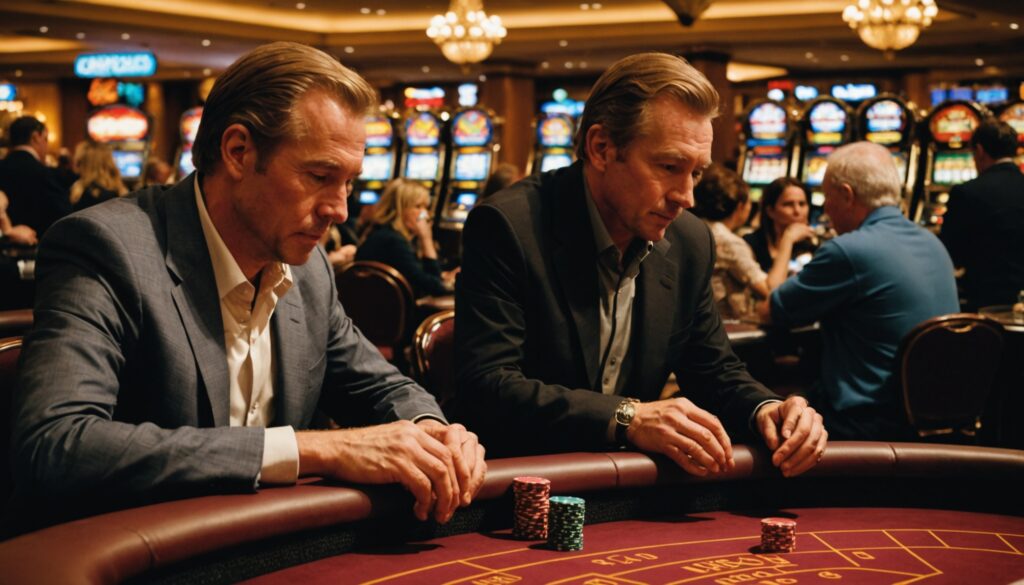

Knowing the difference between playing well and just running hot is the most honest thing a gambler can do for themselves.
I’ve been gambling recreationally for about twelve years now. Mostly poker, some blackjack, the occasional flutter on sports. And if there’s one thing I’ve learned — slowly, painfully, through a lot of lost £20 notes — it’s that winning and playing well are not the same thing. Not even close. The casino doesn’t care how smart your decisions were. The chips either come your way or they don’t, and variance will make a mug look like a genius and a genius look like a mug on any given night.
But here’s the thing. If you genuinely can’t tell the difference between skill vs luck gambling, you’re going to draw completely the wrong lessons from your sessions. You’ll give yourself credit you don’t deserve, keep doing things that only worked because the cards fell right, and eventually the luck runs out and you’re standing there wondering what happened.
So I’ve built myself a kind of personal self-assessment. Not a spreadsheet or anything flashy — just a set of honest questions I ask myself after a session. Here’s what actually helps me figure out whether I played well or just got lucky.
The Result Tells You Almost Nothing
I know that sounds counterintuitive. You won £200 — surely that means something went right? Maybe. Or maybe you made three terrible decisions and got bailed out every single time by the dealer busting or the river card saving you.
This is the foundational principle of any proper gambling skill vs luck assessment: judge your decisions, not your outcomes. A good decision that loses is still a good decision. A bad decision that wins is still a bad decision — and it’s actually more dangerous, because now you’ve been rewarded for something you shouldn’t repeat.
I’ve had nights at the blackjack table where I won £150 and I knew — hand on heart — I’d played like an idiot. Doubled down when I shouldn’t have, didn’t split when I should have, chased a couple of losses and got away with it. The money was in my pocket but I hadn’t earned it. Felt hollow, if I’m honest.
Contrast that with a poker session where I played some of the best, most disciplined poker of my life, read the table beautifully, got my money in good every time — and lost £80 because one bloke hit runner-runner twice and another slowplayed his set perfectly. That one stings differently. But I left knowing I’d actually played well.
Markers That Tell Me I Was Actually Playing Well
Over time I’ve identified a few genuine signals of good play, as opposed to good luck. These are the things I look for when I’m doing an honest post-session review:
- I was thinking before acting. Not just reacting. If I can remember pausing, considering the situation, running through my options — that’s a good sign. Autopilot is almost never skill.
- My bet sizing made sense. Was I sizing bets based on the situation, or just chucking money around based on how I felt? Emotional bet sizing is a red flag every time.
- I folded strong hands when the situation called for it. In poker especially, this is a real marker of discipline. Anyone can fold rubbish. Folding top pair because the read is right — that takes something.
- I stuck to strategy under pressure. At blackjack, did I deviate from basic strategy because I had a “feeling”? If I did, that’s not skill, that’s superstition. If I held the line even when it felt wrong, that’s discipline.
- I left when I said I would. This one’s underrated. Knowing when to walk — whether I’m up or down — is genuinely a skill. It’s one of the hardest ones.
Markers That Tell Me I Was Just Running Hot
These are harder to admit. But casino self-awareness requires you to be brutally honest with yourself, and this is where most recreational gamblers completely fall apart.
- I broke my own rules and it worked out. Hit on 17 at blackjack and the dealer busted. Went all in on a draw and hit it. Called a massive bet with a weak hand and they were bluffing. These wins feel amazing. They are not evidence of skill.
- I was making decisions based on momentum. “I’m on a heater so I’ll push harder” — that’s not strategy, that’s riding variance and mistaking it for control.
- I couldn’t really explain my decisions afterwards. If I try to reconstruct a hand or a session and I can’t actually articulate why I did what I did, that’s a problem. Good decisions leave a reasoning trail.
- The wins involved significant long shots landing. Getting lucky isn’t a skill. If my profit for the night relied on one massive unlikely hand coming in, that’s variance, full stop.
- I was distracted, tired, or a bit drunk — and still won. Yeah. That’s not you playing well. That’s the universe being temporarily kind.
Why This Matters More Than Most People Think
Here’s where smart gambling actually lives — in this gap between what happened and why it happened.
If you can’t distinguish skill from luck, you can’t improve. You’ll misattribute your wins, repeat your mistakes, and generally stay exactly as good (or bad) as you currently are. Worse, you’ll probably develop some terrible habits along the way because variance rewarded them once or twice.
I’ve watched mates do this. One lad I used to play poker with had a brilliant run for about three months. Won consistently, talked about it constantly, started playing higher stakes. Completely convinced he’d worked something out. He hadn’t. He’d just been running above expectation for a sustained period, which happens. When the variance corrected, he didn’t have the actual skills to hold his ground, and he lost a significant chunk of what he’d won before he finally admitted the first run had been mostly luck.
That’s the danger of not doing this self-assessment properly. You can genuinely fool yourself for months.
The Questions I Actually Ask Myself After a Session
I’m not particularly systematic about most things in life, but I do try to run through these after any session that was either notably good or notably bad:
- Did I make the right decision with the information I had, regardless of how it turned out?
- Were there moments I deviated from what I know to be correct, and if so, why?
- Was my bankroll management sensible throughout, or did I start making exceptions?
- Did I feel in control, or was I chasing something?
- If I replayed this session ten times with the same decisions, would I expect to profit?
That last one is the big one. Expected value over repetition. If the answer is genuinely yes — if my decision-making process would hold up across many iterations — then I played well regardless of the result. If the answer is “well, I needed that specific thing to happen and it did,” then I got lucky. Simple as that.
Accepting You Got Lucky Is Actually a Strength
There’s something weirdly freeing about being able to say “I ran good tonight” without needing to dress it up as skill. It means you’re not building a false identity around variance. It means you won’t fall apart when the luck goes the other way, because you know that’s just how it works.
The gamblers I respect most — the ones who’ve clearly thought seriously about gambling skill vs luck — are the ones who can be completely matter-of-fact about it. “Got lucky with the cards tonight, but I also played well in the third hour.” That kind of granularity. That kind of honesty.
It also protects you from the casino self-awareness trap that catches so many people out: the belief that a winning streak means you’ve figured something out. You probably haven’t. Enjoy the win, bank the money, and stay humble about why it happened.
Honest Conclusion
I’m not pretending I always get this right. There are absolutely sessions where I’ve convinced myself I played brilliantly when really I just caught cards. It’s genuinely difficult to be objective about your own decision-making in the moment, especially when money’s involved and emotions are running high.
But the habit of asking these questions — of actually trying to do a real skill vs luck gambling self-assessment after each session — has made me a noticeably better gambler over time. Not because I’ve found some edge that beats the house. I haven’t. I gamble recreationally with money I can afford to spend, and I try to lose it as slowly and as intelligently as possible.
What I have done is stop lying to myself about why things go the way they go. And honestly? That might be the most valuable skill in the whole game.